
How UK Crypto Casinos Are Funding Green Innovation: Blockchain Gambling Revenue and Biogas Projects in 2026
How UK Crypto Casinos Are Funding Green Innovation: Blockchain Gambling Revenue and Biogas Projects in 2026
I'll admit it—when I first heard that gambling profits were being funnelled into renewable energy research, I raised an eyebrow. The image of a crypto casino and a biogas plant sitting on the same balance sheet seems almost absurd. Yet here we are in 2026, watching a genuinely strange but promising trend take shape across the UK: blockchain-based gambling platforms quietly becoming patrons of green technology. It's not charity in the traditional sense, and it's not pure PR either. It sits somewhere in between, and I think it's worth unpacking.
The Rise of Crypto Casinos in the UK Gambling Market
Blockchain gambling didn't creep into the UK market—it arrived with force. Over the past few years, platforms built on decentralized ledgers have carved out a loyal following among players tired of slow withdrawals and opaque odds. Unlike traditional online casinos, these sites process wagers in Bitcoin, Ethereum, or native tokens, and many publish provably fair algorithms that let users verify game outcomes themselves. That transparency, paired with the UK's tech-savvy gambling audience, has fuelled explosive growth. Regulators have been cautious, understandably, but the sector has matured enough that several operators now work within licensing frameworks rather than around them.
Why Blockchain Technology Appeals to UK Gamblers
Ask any regular player why they've switched, and you'll hear similar answers: near-instant withdrawals, minimal transaction fees, and a sense that the house isn't hiding anything. Decentralized finance integration also lets users stake winnings or move funds into yield-generating wallets without leaving the platform. For a generation raised on both online betting and crypto trading, this fusion feels natural rather than novel.
Understanding the Revenue Model Behind Crypto Casinos
To understand how these platforms end up funding environmental projects, you need to understand how they make money in the first place. The house edge remains the core profit engine, just as with any casino. But blockchain operators layer on additional revenue streams—transaction processing fees, staking rewards from locked liquidity pools, and native token ecosystems where the platform itself benefits from token appreciation and trading volume. Some casinos even run their own exchanges, taking a cut on every conversion. This diversified income base gives operators more financial flexibility than a typical bricks-and-mortar or standard online casino, which is precisely what makes external funding commitments—like sustainability projects—financially viable.
From Gambling Profits to Green Innovation
This is where things get interesting. A handful of forward-thinking crypto casinos have started earmarking a percentage of net revenue for environmental initiatives, rather than pouring everything back into marketing or bonus pools. Some do this through direct grants, others through partnerships with research consortia working on renewable energy infrastructure. The logic is fairly pragmatic: gambling remains a controversial industry, and operators know that visible, measurable environmental contributions can soften public perception while satisfying increasingly strict UK compliance expectations around responsible operation.
Corporate Social Responsibility Meets Blockchain
CSR isn't new to gambling, but blockchain adds a twist—transactions and donations can be tracked publicly on-chain, giving a level of accountability that traditional corporate giving rarely offers. This appeals to UK regulators watching the ESG space closely, and it appeals to players who want assurance that their wagers aren't purely feeding shareholder profits. Whether this is genuine environmental commitment or clever brand positioning probably depends on the operator, but the structural incentive to align with ESG goals is undeniably growing.
Spotlight on micro4biogas — A Model for Sustainable Funding
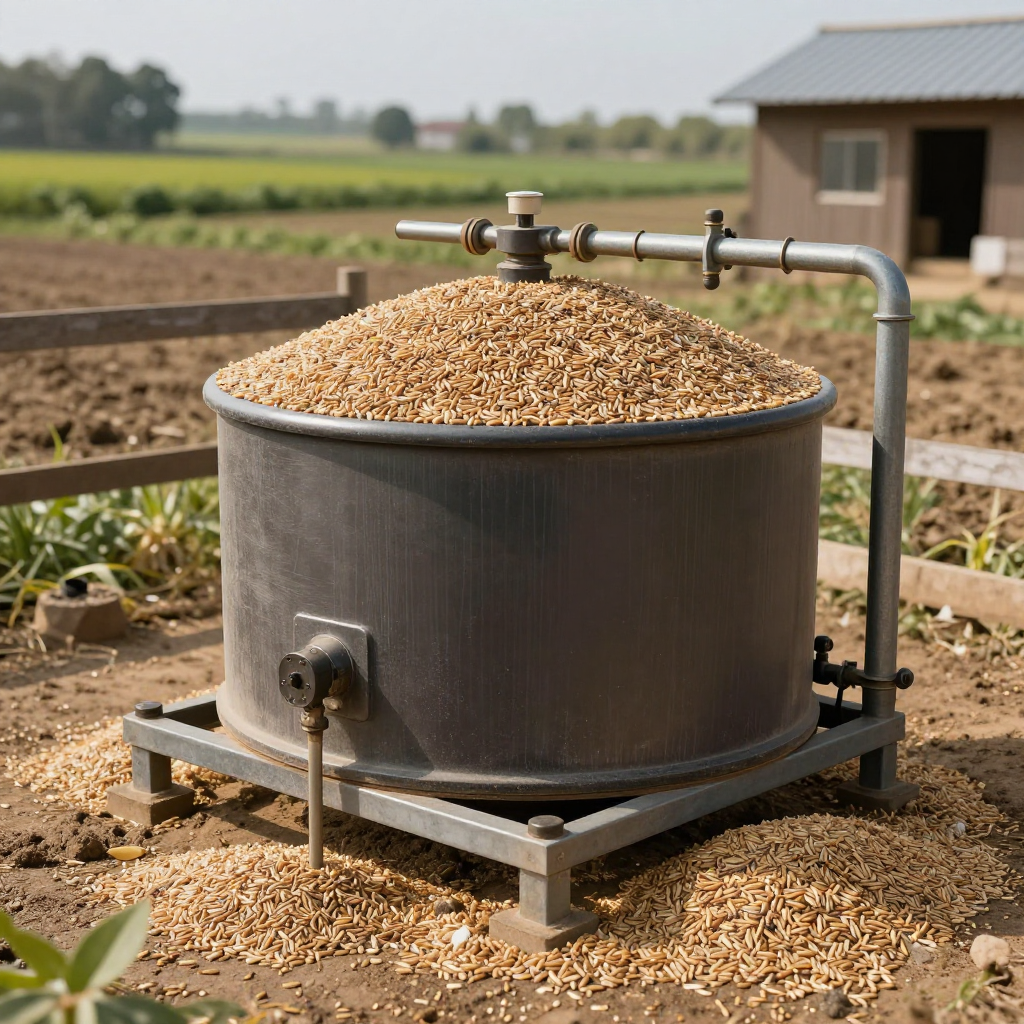
One project that's benefited from this shifting funding landscape is micro4biogas, a European initiative focused on small-scale biogas production technology. The core idea is deceptively simple: convert organic waste—agricultural residue, food scraps, manure—into usable renewable energy through compact, decentralized biogas units. Rather than relying solely on massive industrial plants, micro4biogas targets rural and farming communities where waste is abundant but grid infrastructure is limited. It aligns closely with the EU's broader renewable energy targets, and alternative funding sources, including revenue-sharing arrangements from blockchain gambling platforms, have helped accelerate research and pilot deployments that might otherwise have stalled due to limited public funding.
How Biogas Technology Reduces Carbon Footprints
The technical process is worth a quick explanation. Organic waste is fed into an anaerobic digester, where microorganisms break it down in the absence of oxygen, producing biogas—mostly methane and carbon dioxide. That methane can then be captured and used for heating, electricity, or even vehicle fuel, instead of escaping into the atmosphere where it would otherwise contribute significantly to greenhouse warming. Micro-scale systems make this technology accessible to individual farms rather than requiring centralized processing, which means communities can generate their own power while cutting methane emissions at the source. It's a neat, closed-loop solution, and one that scales surprisingly well when funding allows for wider deployment.
Benefits and Challenges of This Emerging Funding Model
There's a lot to like about this hybrid arrangement. It diversifies funding streams for green technology beyond traditional government grants, raises public awareness of renewable energy projects that might otherwise stay niche, and gives crypto casinos a genuine reputational upside. But it's not without friction. Regulators may question whether gambling-derived funding sets a problematic precedent, and some critics argue it's ethically uncomfortable to fund environmental good through an industry that also generates addiction-related harm. There's also the question of sustainability—will operators maintain these commitments during a market downturn, or was this simply a favourable-conditions gesture? Those are fair questions, and I don't think the industry has fully answered them yet.
What This Means for UK Consumers and Investors
If you're a UK player or crypto investor curious about supporting this trend responsibly, a few practical steps help. Look for platforms that publish transparent, on-chain records of their CSR donations rather than vague marketing claims. Check whether environmental partnerships are ongoing commitments or one-off publicity moves. And consider whether the platform holds a recognised UK gambling licence alongside its green claims—responsible operation and environmental responsibility should go hand in hand, not one masking the absence of the other.
Conclusion
It's an odd pairing on paper—blockchain gambling and biogas innovation—but the financial logic holds up better than expected. UK crypto casinos, flush with diversified revenue streams and under growing pressure to demonstrate social value, are finding real reasons to support projects like micro4biogas. Whether this becomes a lasting pillar of green energy funding or fades as market conditions shift remains to be seen, but for now, it's a genuinely interesting example of an unlikely industry pushing sustainability forward in 2026.
